 goodword
Why Michelin-recognized udon bowls are showing up on Vancouver menus — and how to price them
Udon is moving from niche comfort food to a real menu driver in Vancouver. Here is what it is, why it is rising, and how to price it without guessing.
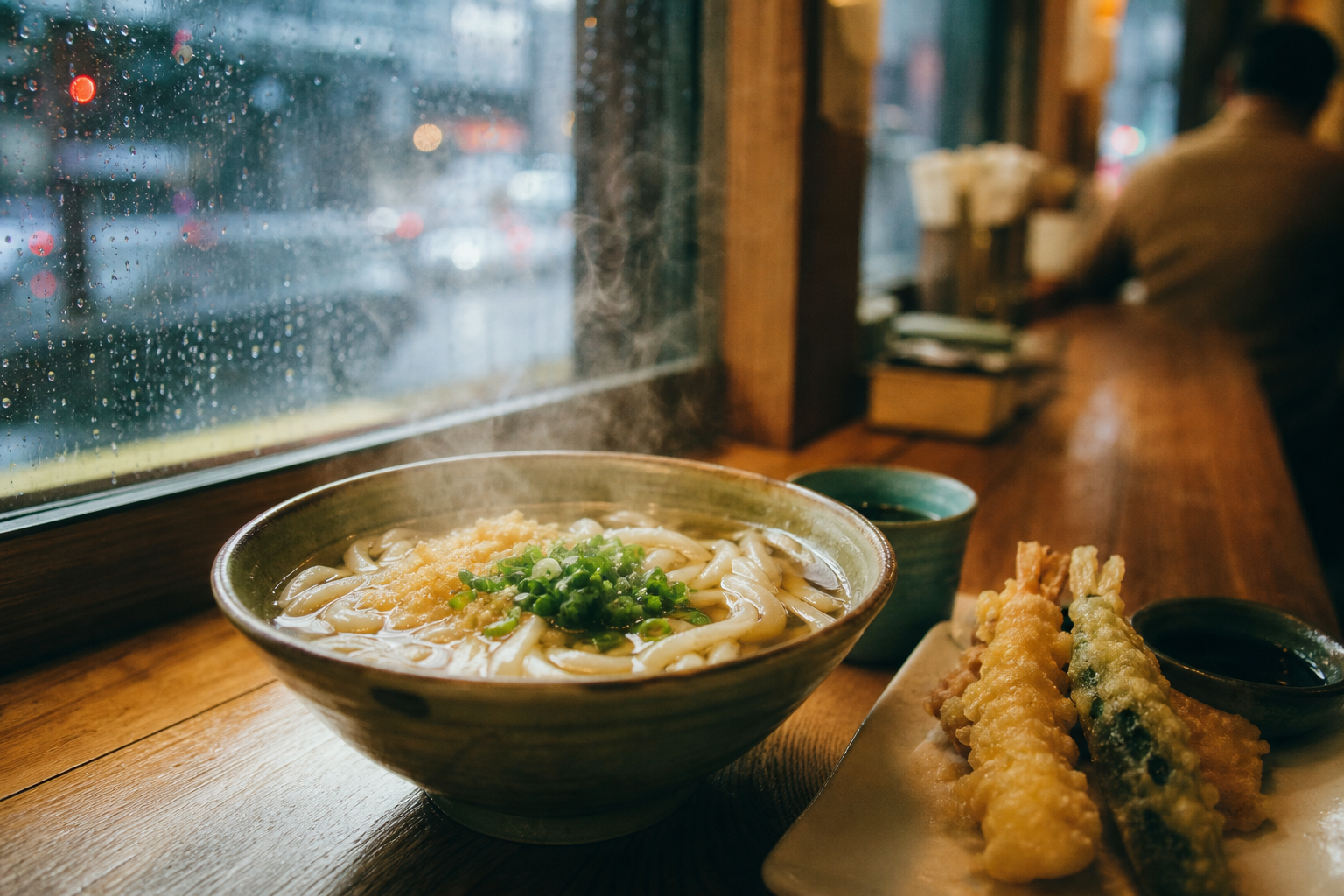
The short version
- Michelin recognition gave Vancouver udon a trust signal, and a first Canadian chain opening added more proof of demand.
- A simple udon bowl can stay cost-controlled if you treat noodles, broth, and toppings as separate cost buckets.
- Protein-heavy and tempura-heavy bowls need tighter pricing than plain broth bowls.
Udon is having a moment in Vancouver
Udon is not new. Thick wheat noodles in hot broth have been around for a long time. What is new is the attention.
In Vancouver, the clearest trend signal is Michelin-recognized udon. Motonobu Udon is listed by Michelin in Vancouver, and local social posts are already framing it as a destination worth trying. At the same time, Marugame Udon opened its first Canadian location in Vancouver, which is a strong sign that the category has enough repeat demand to support a larger format.
That combination matters. Michelin gives the dish credibility. A chain entrance gives it scale. Together, they move udon out of the “specialty curiosity” box and into a real menu opportunity.
What udon bowls are, in plain English
Udon is a Japanese noodle dish built around thick wheat noodles. It can be served:
- hot in broth
- cold with dipping sauce
- with toppings like tempura, egg, tofu, beef, or chicken
The style getting the strongest attention is Sanuki udon, a chewy regional style from Kagawa Prefecture in Japan. Japan’s tourism and agriculture bodies both describe Sanuki udon as Kagawa’s signature udon style. That is the origin story behind the current wave.
For operators, the format is attractive because it is modular. One base. Many tickets.
Why it is surging now
1) Michelin made it feel worth the trip
Michelin recognition changes the way people talk about a dish. It gives diners a reason to cross town for a bowl of noodles. Motonobu Udon’s Michelin listing is the cleanest proof point in Vancouver right now.
2) A chain opening tells you there is real demand
Marugame Udon’s first Canadian location in Vancouver is another signal. Chains do not enter a market just for novelty. They enter when they think there is room for repeat traffic.
3) The format fits Vancouver weather and spending habits
Udon is comfort food. Vancouver has plenty of rain. That helps.
It also works as a value-first item with upsell room. Marugame’s Vancouver menu shows a base bowl at C$6.99 for Kake Udon, with more premium bowls going up to C$13.99, plus add-ons and tempura on top. That ladder is useful. It lets you keep one foot in value and one foot in margin.
4) Social content is already doing the marketing
In the recent TikTok sample, the strongest relevant post was a review of Motonobu Udon, with the creator calling out that it is Michelin-recognized and the first udon restaurant in Vancouver. That is small sample data, but it is still useful. It shows the category is easy to explain, easy to film, and easy to recommend.
A simple udon bowl recipe you can actually run
Here is a basic kake udon build. It is the simplest version and a good starting point for a menu test.
Base recipe
Ingredients
- 2 portions udon noodles
- 4 cups dashi
- 2 to 3 tbsp light soy sauce
- 1 to 2 tbsp mirin
- pinch of salt
- sliced green onion
- optional toppings: soft egg, tofu, tempura bits, beef, chicken, nori
Method
- Heat dashi, soy sauce, mirin, and salt into a light broth.
- Cook udon noodles until tender and chewy.
- Place noodles in a bowl.
- Pour hot broth over top.
- Finish with green onion and one or two toppings.
Why this works on a menu
The base bowl is cheap to build. The toppings are where you make the ticket interesting.
That means you can price the bowl in layers instead of treating every version the same.
Margin-safe pricing framework
Udon is easy to underprice if you only look at the noodle cost. The broth, protein, and labor matter too. A better way is to separate the item into three versions and price each one off food cost.
A common restaurant target is roughly 28% to 35% food cost depending on service style and rent pressure. Use the lower end only if your volume is steady.
| Bowl type | Estimated food cost | Target food cost % | Suggested menu price | Notes |
|---|---|---|---|---|
| Plain broth udon | C$2.25 | 30% | C$7.49 | Good entry item. Keep it simple. |
| Udon with egg + veg | C$3.25 | 30% | C$10.99 | Better everyday seller. Easy upsell. |
| Beef or chicken udon | C$4.25 | 30% | C$13.99 | Protect margin with portion control. |
| Tempura bowl | C$4.75 | 30% | C$15.99 | Works if tempura stays crisp and consistent. |
How to use the table
If your food cost is C$3.25, and you want a 30% food cost, the menu price should be about C$10.99.
If you only charge C$8.99, you are probably giving away too much room unless the bowl drives a lot of beverage or side sales.
What to watch closely
- Plain bowls: good traffic item, weak margin if you pile on labor.
- Protein bowls: usually the best test of pricing discipline.
- Tempura bowls: can sell well, but only if fry yield stays tight.
- Add-ons: egg, extra noodles, and side tempura are the easiest place to lift average ticket.
A simple origin story you can tell guests
If you want one sentence for the menu or server training, use this:
Udon comes from Japan’s Sanuki region, where thick wheat noodles are known for their chewy texture and simple, comforting broth.
That is enough. You do not need a long story. Guests mainly want to know why this bowl is different from ramen or pasta.
What Vancouver owners should take from this
Udon is a nice fit for a rainy city, but the business case is even better than the food story.
It is:
- easy to standardize
- easy to customize
- friendly to lunch and dinner
- strong for delivery if the broth is packed well
- simple to merchandize with add-ons
The trap is pricing by instinct. A bowl that looks cheap to make can still lose money once you include labor, garnish waste, and side costs.
That is where a clean POS and inventory view matters. If you can see noodle usage, topping waste, and item-level sales together, you can tell whether the udon trend is actually making money or just making noise.
Goodword helps owners track that inside their own POS and inventory, so the next hot bowl can be measured instead of guessed.
Questions owners ask
What is Sanuki udon?
Sanuki udon is a regional udon style from Kagawa Prefecture in Japan. It is known for thick, chewy noodles and is the style most often linked to the current Vancouver trend.
What should I charge for a basic udon bowl?
A plain udon bowl often works better around the C$7.49 to C$8.99 range if your food cost is about 30%. Protein and tempura bowls should price higher.
How do I know if udon is profitable on my menu?
Track food cost, labor, and waste by item. If your POS and inventory can show noodle usage, protein usage, and add-on sales together, you can see whether the bowl is actually earning its keep.
Sources
Test udon as a menu item, not a guess
If you are adding udon bowls, track the base bowl, every topping, and every waste item in one place. That is how you find out whether the trend is driving profit or just traffic.
Start with goodword →