 goodword
Why old-fashioned milkshakes are showing up on Vancouver menus — and how to price them
Classic diner shakes are getting attention again in Vancouver. Here’s what they are, why they’re working, and a simple way to price them without giving away the margin.
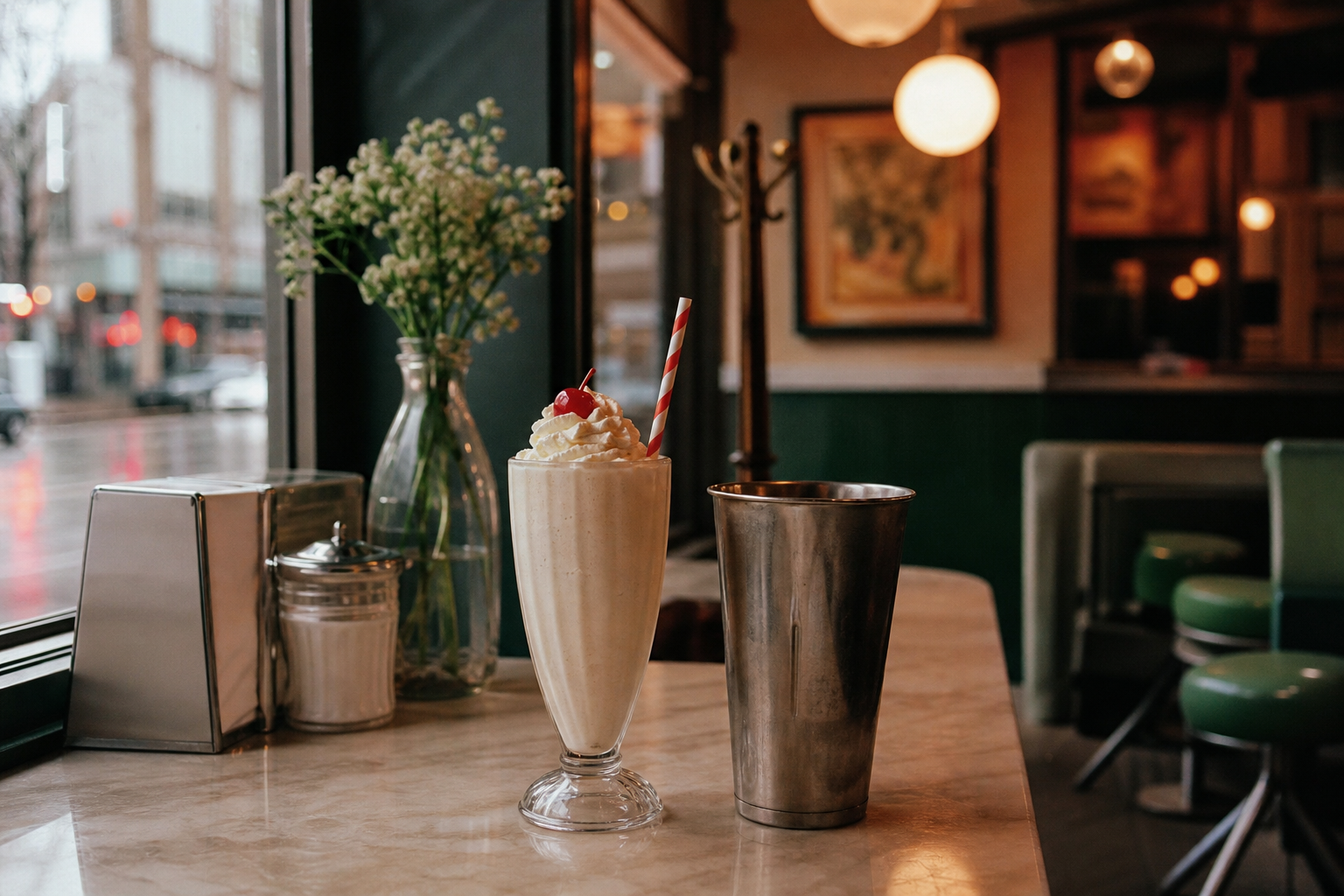
The short version
- Old-fashioned milkshakes are back because they are simple, nostalgic, and easy to photograph.
- Vancouver social posts are already pointing to the format at Aureliana and Firecrust.
- A classic shake can fit a healthy margin if you price it against dairy cost, labour, and channel.
Old-fashioned milkshakes are back in the feed
Old-fashioned milkshakes are the diner version of a shake. Ice cream. Milk. Flavoring. Often vanilla, chocolate, or cherry. No tower of extras. No overbuilt dessert engineering.
That matters in Vancouver right now because the item is showing up in local food discovery posts as a named thing, not just as a generic dessert. @eatcouver called Aureliana in Gastown a spot with an “incredible old-fashioned milkshake.” @narcityvancouver also pushed Firecrust Pizzeria on Davie for “epic milkshakes.” Those are strong signals because they point to the same simple format from two different angles: editorial attention and live menu demand.
What counts as an old-fashioned milkshake
Merriam-Webster defines a milkshake as a blended drink made with milk, flavoring syrup, and often ice cream. TasteAtlas describes the old-school style as a classic soda-fountain drink, usually served simply, not loaded up into a freakshake.
In practice, that means:
- Ice cream first.
- Milk second.
- One clear flavor.
- Fast build.
- Immediate serve.
That simplicity is the point. A customer understands it in one glance. A line cook can make it quickly. And a manager can cost it without a lot of guesswork.
Why it is surging in Vancouver
1) Nostalgia sells
Restaurant Business has been writing about nostalgic desserts and “kidults” — adults buying the foods they liked growing up. That fits milkshakes well. A milkshake is familiar. It feels like a treat. And it does not need a long explanation to sell.
2) Classic flavors still win
The same coverage notes that the most popular milkshake flavors are still the basics: chocolate, vanilla, and strawberry. So this trend is not about invention. It is about packaging a known item in a way that feels current again.
3) It photographs well without much labour
A milkshake gives you height, color, and a clean glass. That is enough for social media. You do not need a complex build to get attention.
4) Vancouver already has local menu proof
Aureliana lists a MILKSHAKE 7 on its menu with classic flavors like chocolate, vanilla, and cherry. Firecrust’s delivery menu shows Hand Spun Milkshakes $11.49. That gives you a real local price band: roughly $7 to $11.49 depending on the room, the garnish, and whether the item is dine-in or delivery.
A simple old-fashioned vanilla milkshake recipe
Use this as a starting point:
- 1 3/4 cups premium vanilla ice cream
- 1/3 cup whole milk
- Blend until smooth
- Serve right away
That basic formula lines up with traditional recipes from TasteAtlas and commercial foodservice recipes from HERSHEY Foodservice.
Easy flavour swaps
- Chocolate: add chocolate syrup.
- Cherry: add cherry syrup or a small amount of cherry topping.
- Strawberry: use strawberry syrup or puree, but keep the build clean.
The origin story, in plain English
The word “milkshake” first showed up in the late 1800s. Merriam-Webster lists 1886 as the first known use.
The drink changed over time. Early versions were closer to tonic or malted drinks. By the early 20th century, milkshakes became the sweet soda-fountain drink most people picture now. That history is part of the appeal. When you sell an old-fashioned milkshake, you are selling a small piece of diner culture.
How to price it without missing the margin
The good news: the ingredient base is usually cheap relative to menu price. The bad news: milkshakes get expensive fast if you do not account for glassware loss, labour, toppings, and platform fees.
Here is a simple working framework for Vancouver operators.
| Item | Food cost target | Suggested menu price | Notes |
|---|---|---|---|
| Classic vanilla/chocolate/cherry shake | 18%–25% | $7.00–$8.50 dine-in | Best for café or diner-style service |
| Hand-spun shake with whipped cream/cherry | 20%–28% | $8.50–$10.50 | Extra garnish, slightly higher labour |
| Premium or delivery-priced shake | 22%–30% | $10.50–$11.49+ | Use when the channel charges more or the portion is larger |
A sample cost model
Using the simple recipe above, your core cost is mostly ice cream and milk. The commercial ingredient references in the research show that vanilla ice cream and whole milk are relatively inexpensive at retail, which supports a strong gross margin if you keep the build disciplined.
A practical target for operators:
- Keep core ingredients around $1.25 to $1.75 per shake if you are buying efficiently.
- Add $0.10 to $0.40 for syrup or garnish.
- Add labour, cup, lid, straw, and spoilage on top.
- If a shake takes extra time or a delivery channel takes a cut, raise the price.
That is why the same item can sit at $7 in one room and $11.49 in another. The recipe is the same. The economics are not.
What to watch before you add it
Milkshakes look easy. They are. But easy items can still bleed cash if you do not track them properly.
Watch three things:
- Portion consistency. One overfilled shake can erase the profit from two normal ones.
- Ingredient waste. Ice cream left soft at the station gets costly.
- Channel mix. A shake sold direct is not the same as one sold through a platform that takes a cut.
If you are a Vancouver owner, the right question is not just whether old-fashioned milkshakes are trending. It is whether they are actually profitable on your own sales. Goodword’s POS and inventory tracking make that visible, so you can see the real numbers behind the trend.
Questions owners ask
What is an old-fashioned milkshake?
It is the classic diner-style version: ice cream, milk, and one clear flavor such as vanilla, chocolate, or cherry.
How much should I charge for a milkshake in Vancouver?
The local menu evidence in this brief points to roughly $7 to $11.49, depending on dine-in, garnish, and delivery pricing.
Are milkshakes profitable for cafés?
They can be, because the core ingredients are usually low cost. Profit depends on portion control, labour, packaging, and whether you sell direct or through a channel that takes a cut.
Sources
- MILKSHAKE Definition & Meaning - Merriam-Webster
- MENU — Aureliana
- The newest restaurant marketing target: 'Kidults'
- 4 nostalgic desserts making a comeback
- Milkshake Authentic Recipe | TasteAtlas
- Commercial Caramel Milkshake | HERSHEY Foodservice
- Order Box Concepts Food Group - Menu Deals & Prices - Vancouver Delivery Near Me | Uber Eats
- Dirty sodas are making a splash on menus, from drive-thrus to casual dining
- REAL DAIRY Natural Vanilla Premium Ice Cream, 1.5 L - Walmart.ca
- Buy Whole Milk (3.25% Milk) & Homo Milk Near Me at Low Prices - Walmart Canada
- Daltons Maraschino-Style Cherries - Walmart.ca
- Milkshake Concentrates & Syrups - WebstaurantStore
- Contact — Aureliana
- WisHistory
Price the shake before it becomes a problem.
Add the milkshake, track the ingredient cost, and see whether it earns its place on the menu. Goodword helps owners watch sales, inventory, and margin in one place.
See how it works →